

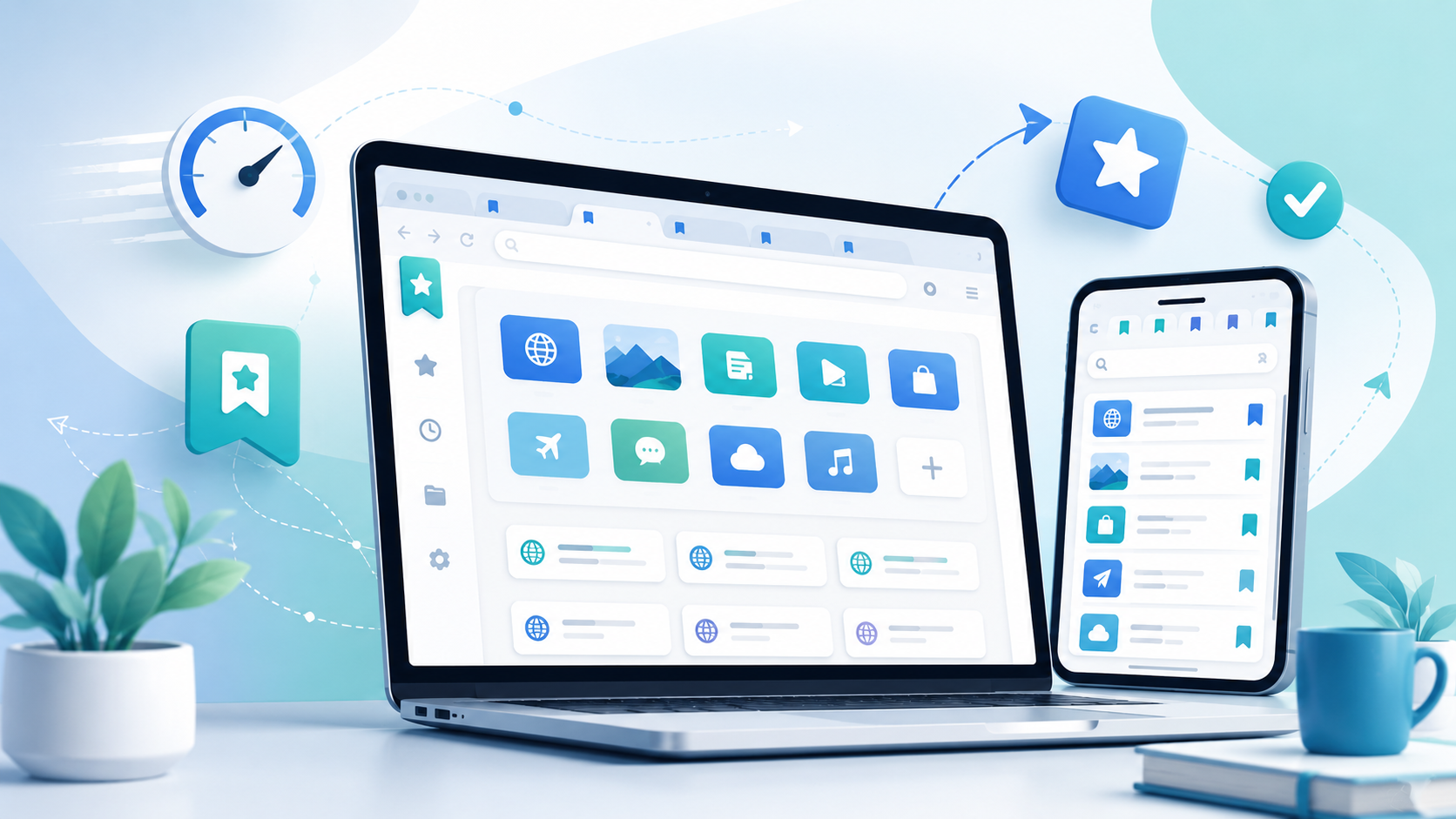
Search engines have made finding information incredibly convenient, but they are not always the fastest solution for websites people visit repeatedly.
When users already know what they are looking for, repeating the same search process can become unnecessary. This is why direct-access pages, browser bookmarks, and organized navigation resources continue to play an important role in everyday web browsing.
The Problem With Repeating the Same Search
A typical search can produce dozens of results.
Some may be relevant, while others may contain similar names, outdated descriptions, advertisements, or unrelated information. For occasional searches this may not be a serious problem, but regular visitors often want a simpler route.
Instead of repeating the discovery process each time, a saved navigation resource provides a consistent starting point.
For users specifically searching for Yas-related access information, a resource such as 야스닷컴 바로가기 can be bookmarked so that the information page can be checked again when needed.
This approach reduces unnecessary searching while still allowing the user to inspect the destination before proceeding.
What Makes a Useful Direct-Access Resource?
A good access page should provide more than a large button.
Useful information can include a short explanation of the destination, navigation guidance, age restrictions where applicable, commonly requested information, and basic safety reminders.
The best pages are straightforward.
Visitors should immediately be able to understand:
- What the page is about
- Where a link will lead
- Whether access information has changed
- Which section contains relevant information
- What precautions should be considered
This creates a much better user experience than presenting unexplained links.
Bookmarks Can Save Time
Browser bookmarks are one of the simplest tools available, yet they remain extremely practical.
Most desktop and mobile browsers allow users to save frequently visited pages and organize them into folders. Users can therefore create separate collections for entertainment, news, communities, shopping, work resources, or other frequently visited destinations.
On smartphones, some browsers also allow pages to be added directly to the home screen.
These features provide fast access while reducing dependence on repeated searches.
Always Check the Destination
Convenience does not eliminate the need for caution.
Before using a link, users should check the destination displayed by the browser. Similar domain names can sometimes be difficult to distinguish at first glance.
Extra caution is appropriate when a destination unexpectedly asks for:
- Account passwords
- Banking information
- Credit-card information
- Software installations
- Browser extensions
- Unknown file downloads
If a request appears unrelated to the purpose of the page, leaving the website and verifying the address again is usually the safer option.
Mobile Users Benefit the Most
Direct-access pages can be particularly convenient on mobile devices.
Typing unfamiliar addresses or comparing multiple search results on a small screen can be frustrating. A bookmarked information page simplifies the process and provides users with a familiar starting location.
Mobile-friendly pages should therefore keep menus simple, buttons large enough to select easily, and essential information visible without complicated interactions.
Adult Content Requires Responsible Use
When a destination relates to adult-oriented entertainment, additional responsibility is necessary.
Only adults who satisfy the applicable legal age requirements should access adult material. Users should avoid illegal, exploitative, non-consensual, or unauthorized content and should respect applicable laws, copyright rules, and platform policies.
A trustworthy navigation resource should make these expectations clear instead of treating safety information as an afterthought.
A Simpler Way to Navigate the Web
Modern browsing does not always require another search.
For frequently visited resources, a combination of direct-access information pages and browser bookmarks can create a faster, more predictable browsing routine.
The ideal navigation page does not attempt to overwhelm visitors with options. Instead, it provides a clear destination, useful context, straightforward navigation, and enough information for users to make their own informed decisions.
In a web environment filled with constantly changing information, that simplicity can be surprisingly valuable.
